
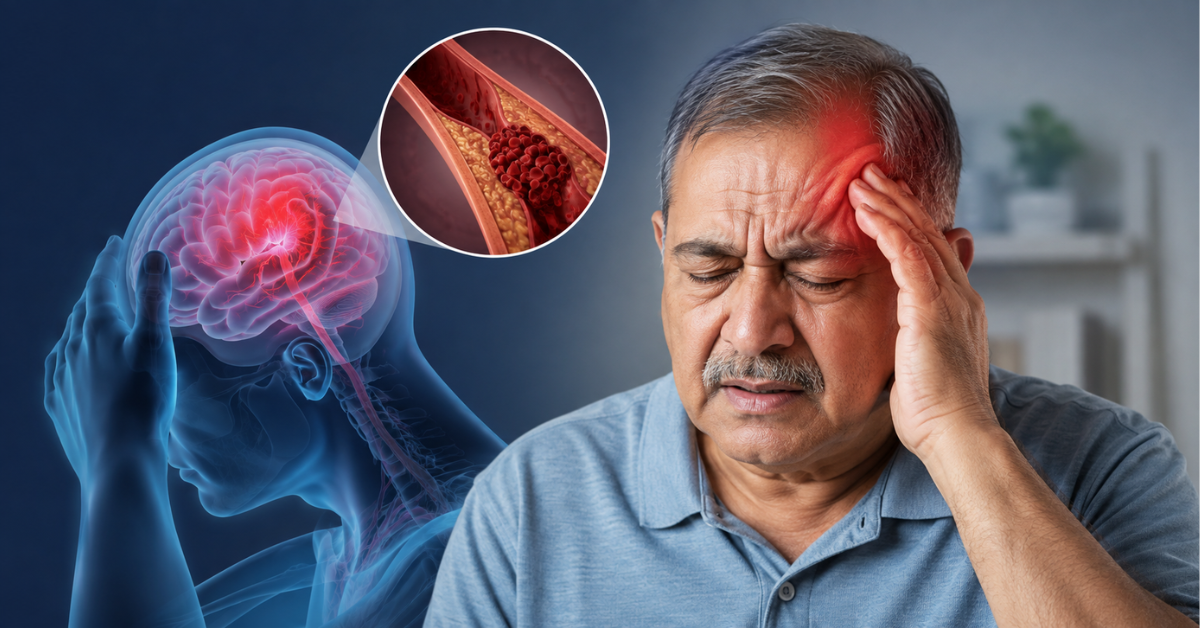
A stroke happens when blood flow to part of the brain is blocked or when a blood vessel in the brain bursts. Recognizing the warning signs early is critical because brain cells can become damaged when they do not receive enough oxygen. If stroke symptoms appear, treat them as a medical emergency and seek immediate medical care.
What Is A Stroke?
A stroke can affect movement, speech, vision, balance, or thinking, depending on which part of the brain is involved. Symptoms often begin suddenly, although they may sometimes develop over a short period. Quick medical assessment can help doctors identify the type of stroke and decide on appropriate treatment.
What Are The First Warning Signs Of A Stroke?
Common stroke warning signs include:
- Sudden weakness or numbness, especially in the face, arm, or leg on one side.
- Facial drooping, such as one side of the mouth appearing lower.
- Difficulty speaking or understanding speech, including slurred or confused words.
- Sudden vision changes in one or both eyes.
- Sudden dizziness, loss of balance, or difficulty walking.
- A sudden severe headache with no known cause, particularly when it occurs with other symptoms.
These signs can vary from person to person. Even one sudden symptom can be a reason to seek emergency medical attention.
Remember FAST for Stroke Symptoms
The FAST method can help families recognize common symptoms quickly:
- F – Face: Ask the person to smile. Does one side of the face droop?
- A – Arms: Ask them to raise both arms. Is one arm weak or drifting downward?
- S – Speech: Ask them to repeat a simple sentence. Is their speech unclear or unusual?
- T – Time: If any sign is present, seek emergency medical help immediately.
What Should You Do If You Suspect A Stroke?
If you suspect a stroke, do not wait for symptoms to improve. Call emergency medical services and arrange urgent transportation to a hospital. Note the exact time the symptoms first appeared, or the last time the person was known to be well. This information can help the medical team determine suitable treatment options.
Do not give the person food, drinks, or medicines unless advised by a healthcare professional. Avoid driving the person yourself if emergency medical transport is available, as trained professionals can begin assessment and care during transport.
Why Every Minute Matters During A Stroke
Some stroke treatments are most effective when given as early as possible. Doctors may need brain imaging and other tests to determine whether the stroke is caused by a blocked blood vessel or bleeding. Prompt treatment may help limit brain injury and improve the chances of recovery.
When Should You Seek Emergency Medical Care?
Seek emergency care immediately for any sudden stroke-like symptom, even if it disappears after a few minutes. Temporary symptoms can sometimes indicate a transient ischemic attack (TIA), which may be a warning of a future stroke. For urgent neurological evaluation and emergency stroke care, choose a hospital with appropriate neurological and emergency services, such as a neurology hospital in indore, without delaying treatment.
FAQs
1. What are the earliest warning signs of a stroke?
Sudden facial drooping, one-sided weakness, speech difficulty, vision changes, dizziness, or a severe unexplained headache can be early warning signs.
2. What should you do if you think someone is having a stroke?
Seek emergency medical help immediately, note when symptoms started, and do not wait to see if they disappear.
3. Can stroke symptoms come and go?
Yes. Temporary symptoms may occur with a TIA, which still requires urgent medical assessment because it can signal a higher risk of stroke.
4. How quickly should someone with stroke symptoms receive medical attention?
As soon as possible. Emergency evaluation should begin immediately because some treatments are time-sensitive.
5. Can a stroke happen without warning?
Yes. A stroke can occur suddenly and without obvious warning. Knowing common symptoms can help families respond quickly when they appear.