
Gallbladder stones, also called gallstones, are hardened deposits that form inside the gallbladder. Some people have gallstones without experiencing any symptoms, while others may develop abdominal pain, nausea, vomiting, or digestive discomfort.
Do All Gallbladder Stone Patients Need Surgery?
No. Not every patient with gallstones requires surgery. If gallstones are discovered incidentally and are not causing any symptoms or complications, a doctor may recommend observation rather than immediate treatment.
However, when gallstones cause repeated pain or complications, gallbladder removal surgery, known as cholecystectomy, may be recommended.
When May Surgery Be Recommended?
Surgery may be considered when gallstones cause:
- Repeated episodes of upper abdominal pain
- Gallbladder inflammation (cholecystitis)
- Stones blocking the bile duct
- Jaundice related to bile duct blockage
- Pancreatitis caused by gallstones
- Other gallstone-related complications
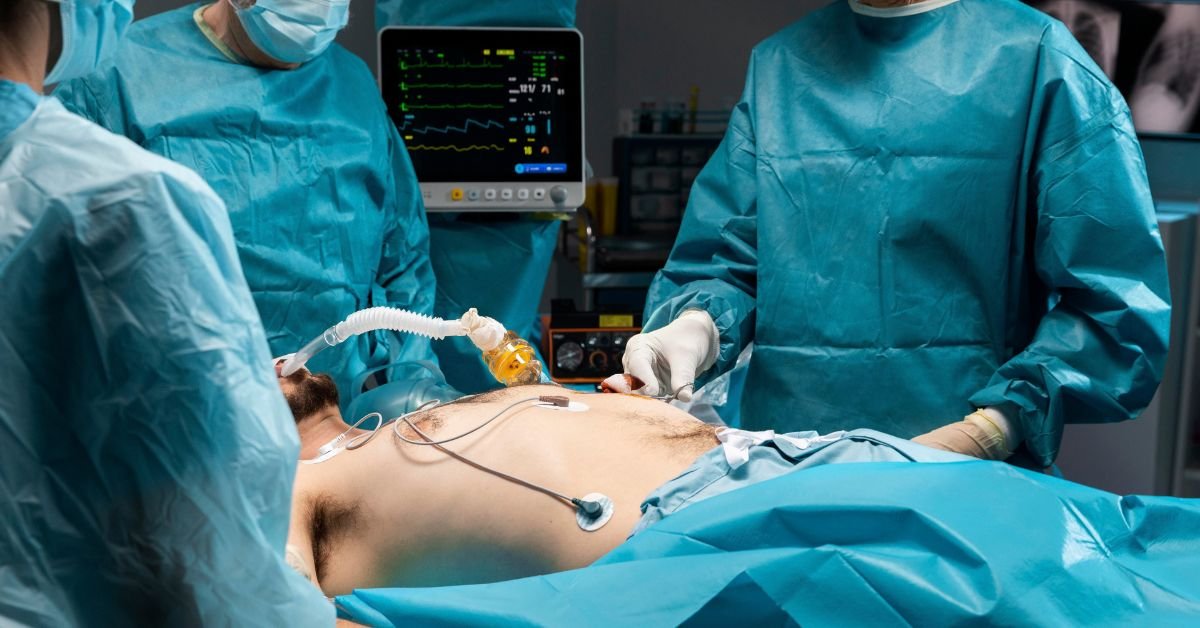
The most common approach is laparoscopic cholecystectomy, which uses small abdominal incisions and a camera to remove the gallbladder.
What If Gallstones Are Not Causing Symptoms?
Patients with silent gallstones generally do not need immediate treatment. However, regular medical evaluation may be advised, especially if symptoms develop later.
Severe or persistent abdominal pain, fever with chills, or yellowing of the skin and eyes can indicate a complication and requires prompt medical attention.
Choosing the Right Surgical Care
If gallstones are causing recurrent symptoms or complications, consultation with an experienced general surgeon can help determine whether surgery is appropriate. Patients can consider a General surgery hospital in Indore that provides diagnostic evaluation, surgical consultation, and postoperative care under one roof.
The need for surgery depends on your symptoms, test results, overall health, and the presence of complications. A surgeon can recommend the most appropriate treatment after evaluating your condition.