
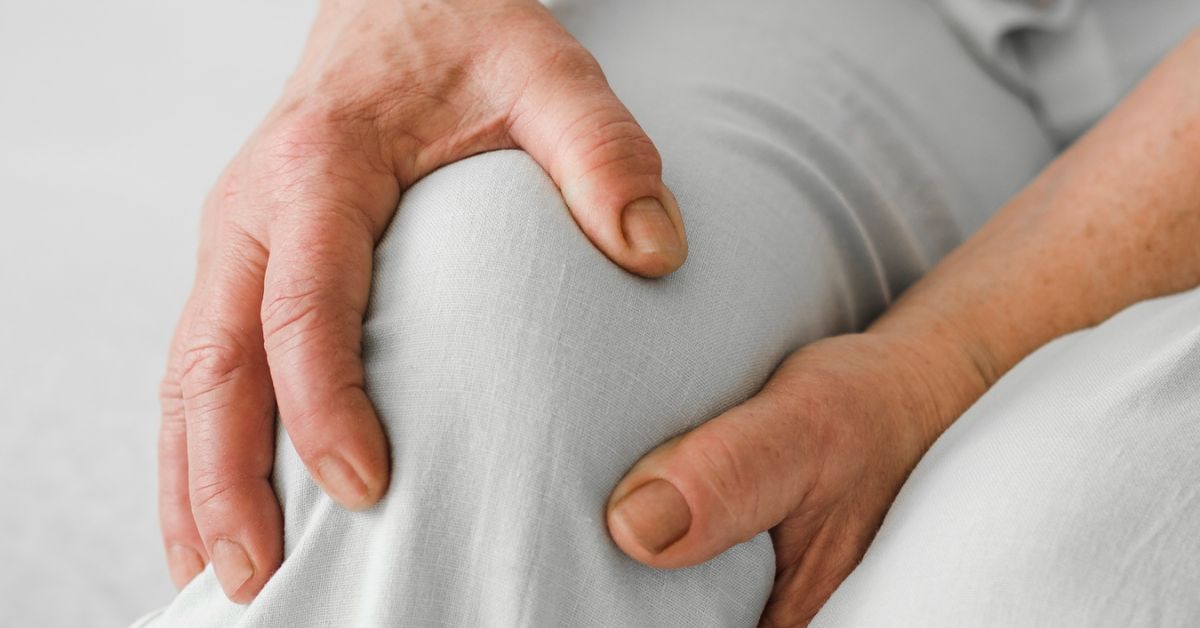
Joint pain is something many people start experiencing as they grow older. In the beginning, it may feel like mild stiffness or discomfort after walking or climbing stairs. But with time, the pain can become more frequent and start affecting daily life.
Many people think joint pain is simply a normal part of aging and nothing can be done about it. While age does affect the joints, proper care and timely treatment can make a big difference.
Understanding why joint pain increases with age can help people take better care of their health and avoid long-term discomfort.
Why Joint Pain Increases with Age
As the body ages, the joints naturally go through wear and tear. The soft cartilage that protects the ends of bones slowly becomes thinner over time. This reduces cushioning inside the joint and causes friction during movement.
Because of this, activities like walking, bending, or standing for long periods may start becoming painful.
Muscles also lose strength with age, which puts extra pressure on the joints. Reduced flexibility and slower healing further increase the chances of stiffness and discomfort.
Common Areas Affected by Joint Pain
Joint pain can affect different parts of the body, but some areas are more commonly affected than others.
The knees are one of the most common problem areas because they carry body weight throughout the day. Hip joints are also affected as people age, especially in those who are overweight or physically inactive.
Many older adults also experience pain in the shoulders, neck, and lower back. These problems often become noticeable during daily activities like lifting objects, walking, or getting up from a chair.
How Lifestyle Affects Joint Health
Age is not the only reason behind joint pain. Daily habits also play an important role.
Lack of physical activity can weaken the muscles around the joints, while excess body weight puts more pressure on them. Poor posture, unhealthy eating habits, and sitting for long hours can also worsen joint problems over time.
People who have physically demanding jobs or old injuries may experience pain earlier than others.
Taking care of the body early in life can help reduce the impact of aging on joints.
Early Signs Should Not Be Ignored
Many people ignore the early signs of joint problems. Mild stiffness in the morning, swelling, difficulty in movement, or pain after activity are often brushed aside.
However, these symptoms can slowly become worse if left untreated. Early attention can help manage the condition before it starts affecting mobility and daily routine.
Consulting a specialist at the right time can help identify the exact cause of pain and prevent further damage.
How Orthopedic Treatment Helps
Orthopedic treatment focuses on improving joint function, reducing pain, and helping patients move comfortably again.
In many cases, simple treatments like medicines, physiotherapy, lifestyle changes, and exercises can provide significant relief. These methods help strengthen muscles, improve flexibility, and reduce pressure on joints.
For more advanced conditions, doctors may suggest injections or surgical procedures depending on the severity of the problem.
Getting proper care from an experienced orthopedic hospital in Indore can help patients manage pain more effectively and improve their quality of life.
Importance of Physiotherapy and Exercise
Physiotherapy is one of the most helpful parts of orthopedic care. Guided exercises improve movement and help keep the joints active without causing extra strain.
Regular movement is important because complete inactivity can make stiffness worse. Light exercises like walking, stretching, and swimming are often beneficial for older adults.
A proper exercise plan suggested by experts can help reduce pain and improve balance and flexibility.
Maintaining Healthy Joints with Age
Taking care of joints becomes more important with age. Healthy eating, regular activity, proper posture, and maintaining a healthy weight can all help protect the joints.
Drinking enough water and getting proper sleep also support overall joint and muscle health.
People should also avoid ignoring pain or delaying treatment when symptoms appear.
When Should You Visit a Doctor?
If joint pain continues for weeks, affects movement, or makes daily activities difficult, it is important to seek medical advice.
Pain that keeps returning, swelling, stiffness, or difficulty in walking should not be ignored. Early diagnosis can help avoid complications and improve recovery.
Visiting a trusted orthopedic hospital in Indore can help patients receive the right guidance and treatment based on their condition.
Joint pain may become more common with age, but it should not stop anyone from living an active life. Understanding the reasons behind the pain and taking timely action can make a big difference.
Simple lifestyle changes, regular exercise, and proper medical care can help keep joints healthier for longer.
If joint pain is affecting your daily routine, getting treatment from an experienced orthopedic hospital in Indore can help you manage discomfort and improve mobility.