
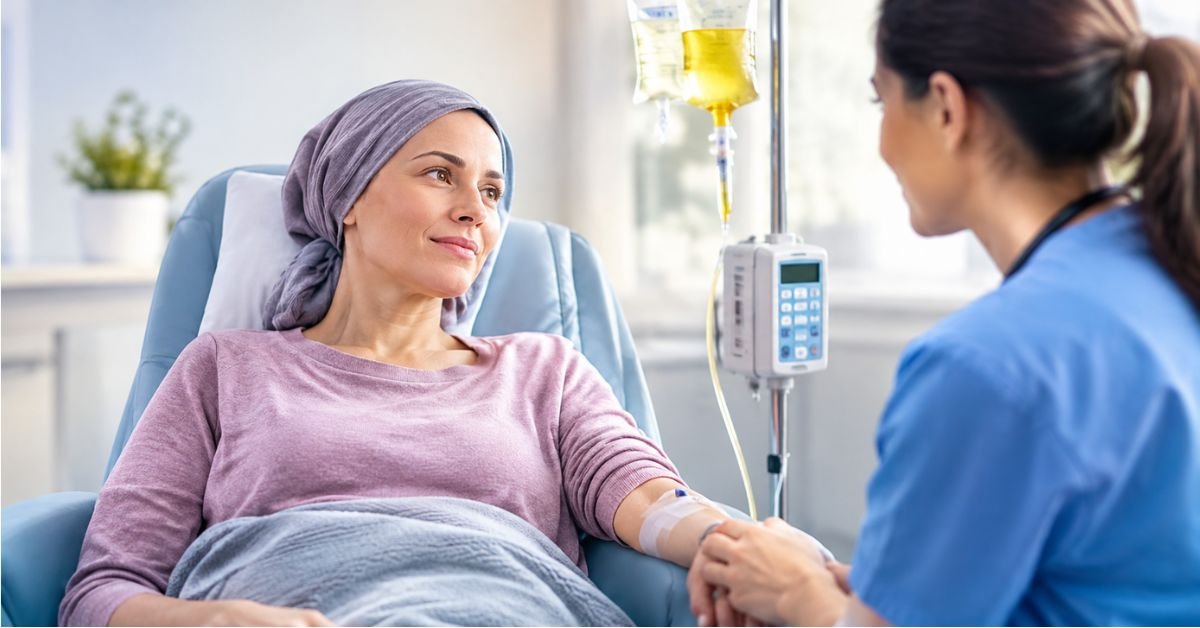
Starting chemotherapy can feel overwhelming, especially when you are unsure about what will happen during treatment. Chemotherapy uses medicines to destroy or control cancer cells and may be given alone or along with surgery, radiation therapy, or other cancer treatments. Understanding the process can help patients and families feel more prepared for Chemotherapy Treatment in Indore.
What Happens Before Chemotherapy?
Before starting treatment, the oncologist reviews the type and stage of cancer, overall health, previous treatments, and required test results. Blood tests and other investigations may be performed to make sure the patient is ready for chemotherapy. The treatment plan is then tailored to the individual’s condition.
What Happens During Chemotherapy?
Chemotherapy may be given through an intravenous infusion, injection, or in some cases as oral medicines. The duration and frequency depend on the cancer type, treatment plan, and medicines being used. Some patients receive treatment in cycles, with rest periods between sessions.
Common Side Effects
Depending on the medicines used, patients may experience fatigue, nausea, vomiting, reduced appetite, hair loss, mouth sores, or changes in blood counts. Not every patient experiences the same side effects.
How Can Side Effects Be Managed?
Doctors may prescribe medicines to control nausea and other treatment-related symptoms. Maintaining adequate nutrition and hydration, getting sufficient rest, and following infection-prevention advice can support treatment.
When Should You Contact Your Cancer Care Team?
Fever, difficulty breathing, persistent vomiting, severe weakness, unusual bleeding, or other sudden or concerning symptoms during chemotherapy should be reported promptly to your cancer care team. Timely Chemotherapy Treatment in Indore can help monitor side effects, manage complications, and provide appropriate medical support throughout treatment.
FAQs
1. Does chemotherapy always cause hair loss?
No. Hair loss depends on the type of chemotherapy medicines being used. Some treatments may cause significant hair loss, while others may cause little or none.
2. Will I feel sick after every chemotherapy session?
Not necessarily. Side effects vary between patients and depend on the medicines used. Doctors can prescribe treatments to help prevent or control nausea.
3. Can I eat normally during chemotherapy?
Many patients can continue eating normally, although appetite and taste may change. A balanced diet and adequate fluids are important during treatment.
4. How long does chemotherapy treatment take?
The duration depends on the cancer type, medicines, and individual treatment plan. Chemotherapy is often given in cycles with rest periods between treatments.
5. When should I seek help during chemotherapy?
Contact your cancer care team promptly if you develop fever, breathing difficulty, persistent vomiting, unusual bleeding, severe weakness, or other concerning symptoms.