
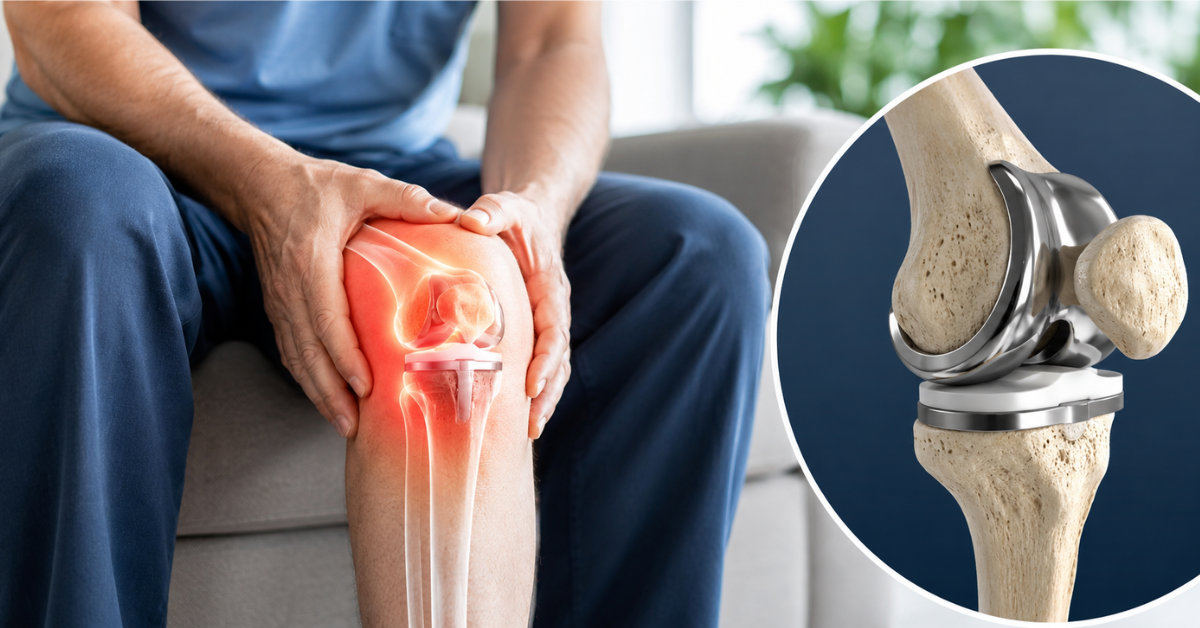
Artificial Knee Knee replacement surgery can relieve pain and improve movement for many years. However, an artificial knee is not designed to last forever. Over time, wear, infection, or changes around the implant may lead to problems that require revision surgery. Recognising early warning signs can help prevent further joint damage.
What Is Knee Revision Surgery?
Revision Surgery Knee revision surgery is a procedure to replace or repair part or all of a previous knee implant. It may be needed if the implant becomes loose, wears out, gets infected, or no longer functions properly. The goal is to reduce pain, improve stability, and restore better knee function.
Signs Your Artificial Knee May Need Revision Surgery
Persistent Knee Pain Ongoing or worsening pain after the recovery period should not be ignored. While occasional discomfort may occur with heavy activity, constant pain during walking, standing, or resting may indicate a problem with the implant or surrounding bone.
Knee Swelling Swelling that keeps returning or does not improve with rest may be a sign of inflammation, infection, or implant-related issues. If swelling is accompanied by warmth or redness, medical evaluation is important.
Knee Instability A knee that feels loose, gives way, or cannot support your weight properly may suggest implant loosening or ligament problems. This can increase the risk of falls and make daily activities difficult.
Reduced Mobility Difficulty bending or straightening the knee, along with stiffness that limits normal movement, may indicate scar tissue, implant wear, or changes within the joint. Clicking, grinding, or unusual noises during movement should also be assessed.
Joint Infection Fever, persistent redness, warmth, drainage from the surgical scar, or increasing pain can be warning signs of infection. Prompt treatment is essential because untreated infection may damage the implant and surrounding tissues.
When Should You See An Orthopedic Specialist?
Orthopedic Evaluation Do not wait until symptoms become severe. Seek medical advice if pain, swelling, instability, or limited movement continues for several weeks, suddenly worsens, or affects your daily routine. A physical examination along with imaging tests such as X-rays or other scans can help identify the cause and determine the most suitable treatment.
Timely Care If you notice any of these warning signs, early assessment can improve treatment outcomes and help protect your joint. Visiting an Orthopedics Hospital in Indore allows experienced specialists to evaluate your artificial knee, identify the underlying problem, and recommend whether revision surgery or another treatment option is the most appropriate choice.
FAQs
1. How long does an artificial knee usually last?
Artificial knees often last 15–20 years or longer, depending on age, activity level, body weight, and implant quality. Regular follow-up visits help monitor the implant and detect any changes before they become serious.
2. Is revision knee surgery more difficult than the first surgery?
Yes. Revision surgery is generally more complex because the surgeon may need to remove the old implant, repair damaged bone or tissue, and place a new implant carefully for long-term stability.
3. Is knee pain years after replacement always a concern?
Not always. Mild discomfort after strenuous activity can happen, but persistent or worsening pain, especially with swelling or instability, should be evaluated to rule out implant-related problems or other joint conditions.
4. What can cause a knee implant to become loose?
Implant loosening may occur due to normal wear over time, bone loss, repeated stress, injury, or infection. Early diagnosis helps prevent additional damage and improves the chances of successful treatment.