
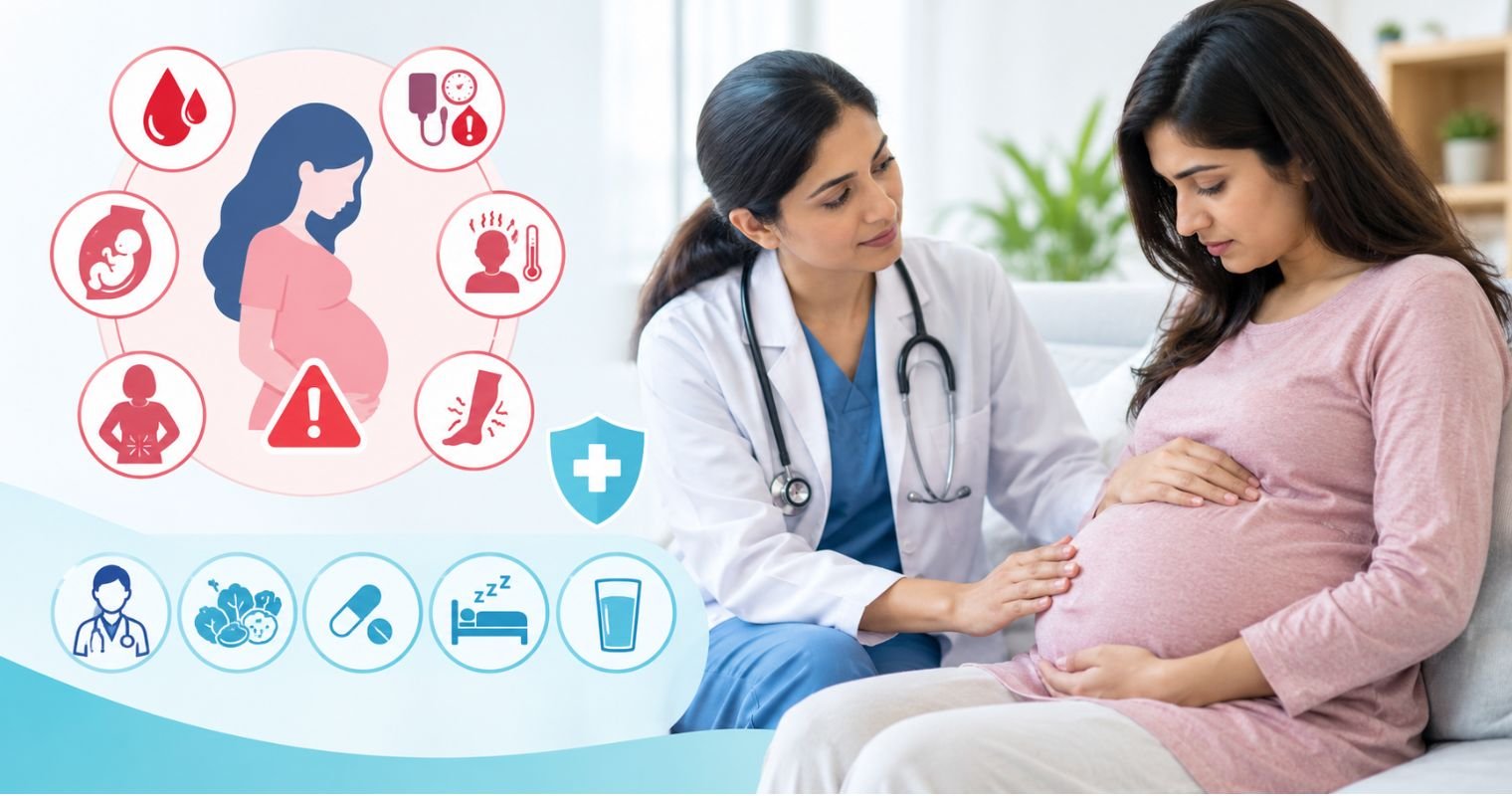
Pregnancy is an important phase that requires regular care and monitoring. While many pregnancies progress normally, some may need additional medical attention due to certain health conditions or pregnancy-related complications. Such pregnancies are often considered high-risk pregnancies.
Understanding the warning signs and following the right precautions can help support the health of both the mother and baby.
What Is a High-Risk Pregnancy?
A high-risk pregnancy is one in which the mother, baby, or both may have a higher chance of developing complications during pregnancy, delivery, or after birth. Factors such as high blood pressure, diabetes, thyroid disorders, previous pregnancy complications, multiple pregnancy, or certain maternal and fetal conditions may require closer monitoring.
Common Signs That Need Medical Attention
Some symptoms during pregnancy should not be ignored. Contact your gynecologist if you experience:
- Vaginal bleeding
- Severe or persistent abdominal pain
- Severe headache or blurred vision
- Sudden swelling of the face, hands, or feet
- High blood pressure
- Persistent vomiting or inability to keep food and fluids down
- Fever or signs of infection
- Leakage of fluid from the vagina
- Reduced or unusual fetal movements, particularly later in pregnancy
- Difficulty breathing or chest discomfort
These symptoms do not always indicate a serious complication, but timely medical evaluation is important.
Important Precautions During a High-Risk Pregnancy
1. Attend Regular Prenatal Checkups
Regular antenatal visits allow your doctor to monitor blood pressure, blood sugar, fetal growth, and other important aspects of pregnancy. Additional scans or tests may be recommended depending on your individual condition.
2. Take Medicines as Prescribed
If you have diabetes, high blood pressure, thyroid problems, or another medical condition, take prescribed medicines regularly. Do not start, stop, or change any medication without consulting your doctor.
3. Follow a Healthy Diet
A balanced pregnancy diet can provide essential nutrients for the mother and growing baby. Your doctor may recommend specific dietary changes depending on your health and pregnancy requirements.
4. Monitor Fetal Movements
As pregnancy progresses, you may become familiar with your baby’s usual movement pattern. A noticeable reduction or change in fetal movements should be discussed with your doctor promptly.
5. Avoid Unnecessary Physical Strain
Your activity level should be based on your health and your doctor’s advice. Some women with high-risk pregnancies may need activity restrictions, while others can continue normal daily activities.
6. Keep Track of Warning Symptoms
Do not ignore unusual symptoms simply because they appear mild. Early consultation can help identify potential complications and allow appropriate treatment or monitoring.
When Should You Contact Your Doctor Immediately?
Seek prompt medical attention if you have heavy vaginal bleeding, severe abdominal pain, severe headache with vision changes, fluid leakage, breathing difficulty, or a significant decrease in your baby’s movements.
High-Risk Pregnancy Requires Individualized Care
Every high-risk pregnancy is different. The right monitoring and precautions depend on the mother’s health, pregnancy history, gestational age, and the baby’s condition. Regular consultation with an experienced gynecologist for high-risk pregnancy management can help ensure appropriate care throughout pregnancy.
If you have been advised that your pregnancy is high-risk or you have concerns about any pregnancy symptoms, consult your gynecologist for timely evaluation and personalized guidance.