
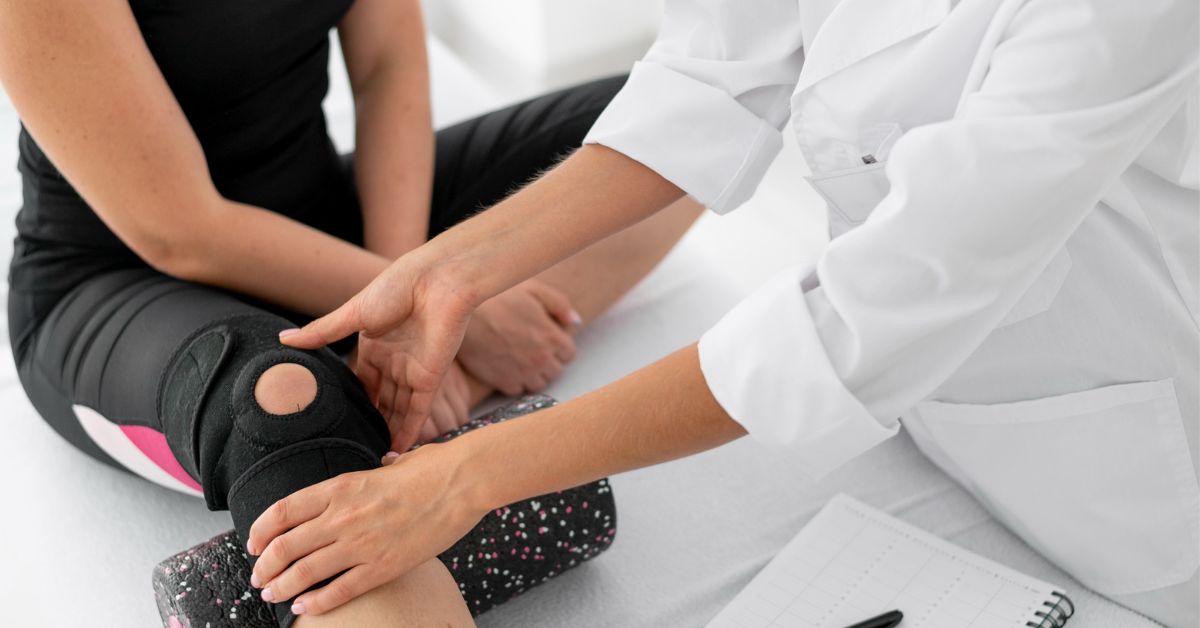
Recovering after orthopedic treatment is different for every person. Some people recover quickly, while others may need more time depending on the condition and the type of treatment they received. Whether it is a fracture, joint surgery, ligament injury, or any other procedure, recovery is an important part of the healing process.
Many people think the treatment is the final step, but real improvement often happens during recovery. Taking proper care after treatment helps the body heal correctly and reduces the chances of future problems.
If you are planning orthopedic treatment in Indore, understanding the recovery process can help you feel more prepared and confident.
The First Few Days After Treatment
The first few days after orthopedic treatment are usually focused on rest and pain management. It is common to experience some swelling, stiffness, or discomfort around the affected area. This is a normal part of healing and usually improves slowly with time.
Doctors may suggest medicines to reduce pain and inflammation. Depending on the treatment, you may also be advised to use support like a brace, walker, or sling for some time.
Many patients worry when they cannot move normally immediately after treatment, but this is expected. The body needs time to recover.
Movement and Physical Activity During Recovery
One of the most important parts of recovery is knowing when and how to move. Complete bed rest is not always recommended because gentle movement helps improve blood circulation and supports healing.
Doctors usually suggest starting with light activities and gradually increasing movement as the body becomes stronger. Trying to do too much too early can slow recovery and increase the risk of complications.
Patients receiving care at a trusted orthopedic hospital in Indore are often guided step by step so they can recover safely without putting extra stress on the affected area.
Why Physiotherapy Is Important
Physiotherapy plays a major role in orthopedic recovery. After treatment, joints and muscles may become weak or stiff because of reduced movement. Physiotherapy helps improve flexibility, strength, and balance.
Many people stop therapy once the pain becomes less, but full recovery often depends on completing the recommended sessions. Regular exercises guided by a professional can improve movement and help prevent future injuries.
Physiotherapy also helps patients return to their daily routine more comfortably and confidently.
Returning to Daily Routine
Getting back to normal life takes time, and the speed of recovery depends on the condition being treated. Some people return to office work within a few days, while physically demanding activities may take longer.
Simple tasks like walking, climbing stairs, or lifting objects may feel difficult in the beginning. This is normal, and improvement usually happens gradually.
Following the doctor’s instructions carefully during this stage is very important. Patients undergoing orthopedic treatment in Indore are often advised to avoid sudden movements and heavy lifting until the body heals properly.
Diet and Healthy Habits During Recovery
Recovery is not only about medicines and exercises. Daily habits also play an important role in healing.
Eating healthy food helps the body recover faster. A diet rich in protein, calcium, and vitamins supports bone and muscle strength. Drinking enough water and getting proper sleep also help the body heal better.
Smoking and alcohol can slow recovery, so doctors usually advise avoiding them during the healing period.
Emotional Side of Recovery
Recovery can sometimes feel frustrating, especially when normal activities become difficult. Many people feel impatient because healing takes time.
It is important to stay positive and focus on gradual progress. Small improvements every week are part of the recovery journey.
Support from family, friends, and medical professionals can make the process easier and less stressful.
Importance of Follow-Up Visits
Follow-up appointments are an important part of orthopedic recovery. These visits help doctors check how well the body is healing and whether any changes are needed in the treatment plan.
Skipping follow-up visits can delay recovery or lead to problems that could have been avoided. Regular monitoring at an experienced orthopedic hospital in Indore helps ensure proper healing.
When Should You Contact Your Doctor?
Some pain and swelling are normal after orthopedic treatment, but certain symptoms should not be ignored. Severe pain, redness, fever, or sudden swelling may indicate a problem.
If movement becomes more difficult instead of improving, it is important to contact your doctor without delay.
Early medical attention can prevent complications and support a smoother recovery process.
Recovery after orthopedic care takes patience, proper guidance, and consistent care. Every stage of healing is important, from rest and physiotherapy to healthy lifestyle habits.
If you are considering orthopedic treatment in Indore, choosing the right doctor and following the recovery plan carefully can help you return to normal activities safely and comfortably.
Getting support from a trusted orthopedic hospital in Indore can make the recovery journey smoother and help you achieve better long-term results.