
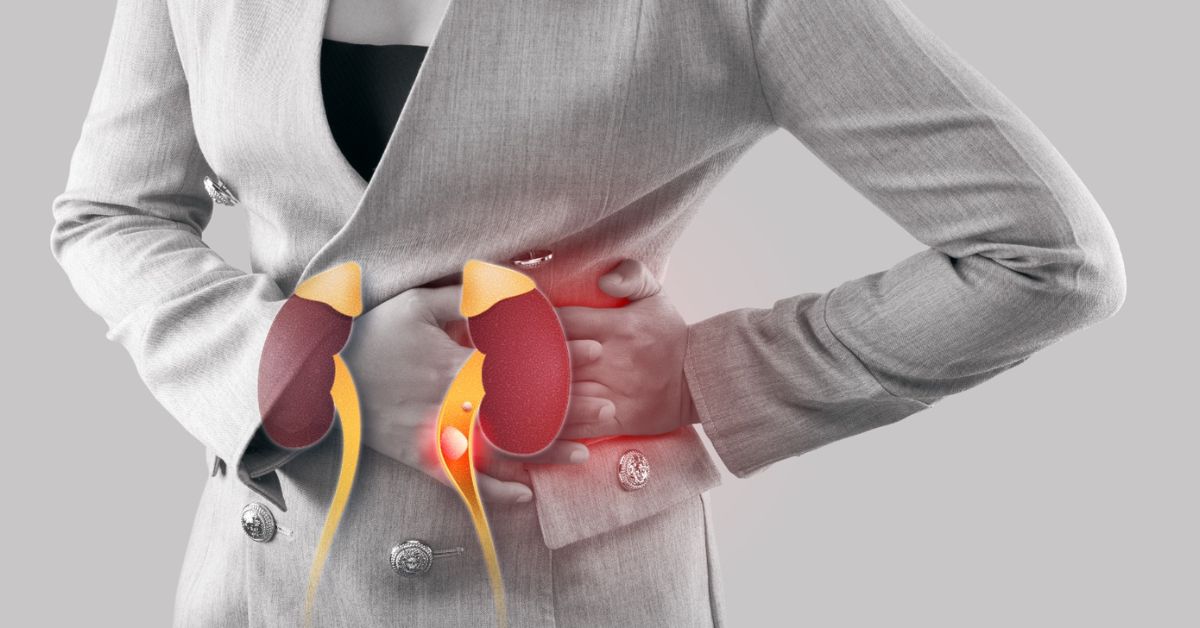
Kidney stones are a common health problem that can cause severe pain if not treated on time. Many people ignore the early signs, thinking it is just normal stomach pain, but kidney stones can become serious if they grow in size or block the urinary tract.
The good news is that with the right diagnosis and treatment, kidney stones can be managed effectively. If you are looking for expert care in urology in Indore, understanding this condition can help you take timely action.
What Are Kidney Stones?
Kidney stones are hard deposits made of minerals and salts that form inside the kidneys. They develop when there is an imbalance in the substances found in urine, such as calcium, oxalate, and uric acid.
These stones can vary in size. Some are as small as a grain of sand and pass easily, while others can grow larger and cause blockage, leading to intense pain.
Causes of Kidney Stones
Kidney stones can form due to several reasons, often related to lifestyle and diet. One of the most common causes is not drinking enough water, which leads to concentrated urine and allows minerals to stick together.
A diet high in salt, sugar, or protein can also increase the risk. People who consume a lot of processed or oily food may be more prone to developing stones.
Other causes include obesity, certain medical conditions, and family history. In some cases, repeated urinary infections can also contribute to stone formation. Consulting an experienced urologist in Indore can help identify the exact cause in your case.
Symptoms of Kidney Stones
The symptoms of kidney stones can vary depending on their size and location. Small stones may not cause any symptoms, but larger stones can be very painful.
The most common symptom is severe pain in the lower back or side of the abdomen. This pain can come in waves and may spread to the lower abdomen or groin area.
You may also experience burning sensation during urination, frequent urge to urinate, or blood in the urine. Some people feel nausea, vomiting, or even fever if there is an infection.
If you notice these symptoms, it is important to seek medical help and not delay treatment.
How Are Kidney Stones Diagnosed?
Diagnosis usually starts with a physical examination and discussion of symptoms. Doctors may recommend tests like ultrasound, CT scan, or urine analysis to confirm the presence of stones.
These tests help in understanding the size, location, and type of the stone, which is important for deciding the right treatment plan.
Best Treatment Options for Kidney Stones
The treatment for kidney stones depends on their size, type, and severity of symptoms.
For small stones, doctors may suggest drinking plenty of water along with medications to help pass the stone naturally. Pain relief medicines may also be given to manage discomfort.
For larger stones, advanced treatments are available. One of the most common methods is laser treatment, where the stone is broken into smaller pieces so it can pass easily.
In some cases, procedures like PCNL (Percutaneous Nephrolithotomy) may be required to remove large stones directly from the kidney.
Modern techniques used in urology in Indore make these treatments safe, effective, and less painful, with faster recovery time.
Recovery and Aftercare
Recovery after kidney stone treatment is usually quick, especially with minimally invasive procedures. Most patients can return to their normal routine within a few days.
However, it is important to follow dietary advice, stay hydrated, and take prescribed medications to prevent recurrence.
Regular follow-ups with a qualified urologist in Indore can help monitor your condition and reduce the chances of stones forming again.
How to Prevent Kidney Stones
Prevention plays a very important role in avoiding kidney stones in the future. Drinking enough water throughout the day is one of the simplest and most effective ways to prevent stone formation.
Maintaining a balanced diet with less salt and avoiding excessive intake of processed foods can also help. Including fruits and vegetables in your daily meals supports overall kidney health.
Staying physically active and managing weight are additional steps that reduce the risk.
Kidney stones can be painful, but they are treatable with the right care and timely diagnosis. Ignoring symptoms can lead to complications, so it is always better to act early.
If you are experiencing any signs of kidney stones or looking for expert care in urology in Indore, consulting an experienced urologist in Indore can help you get the right treatment and quick relief.