
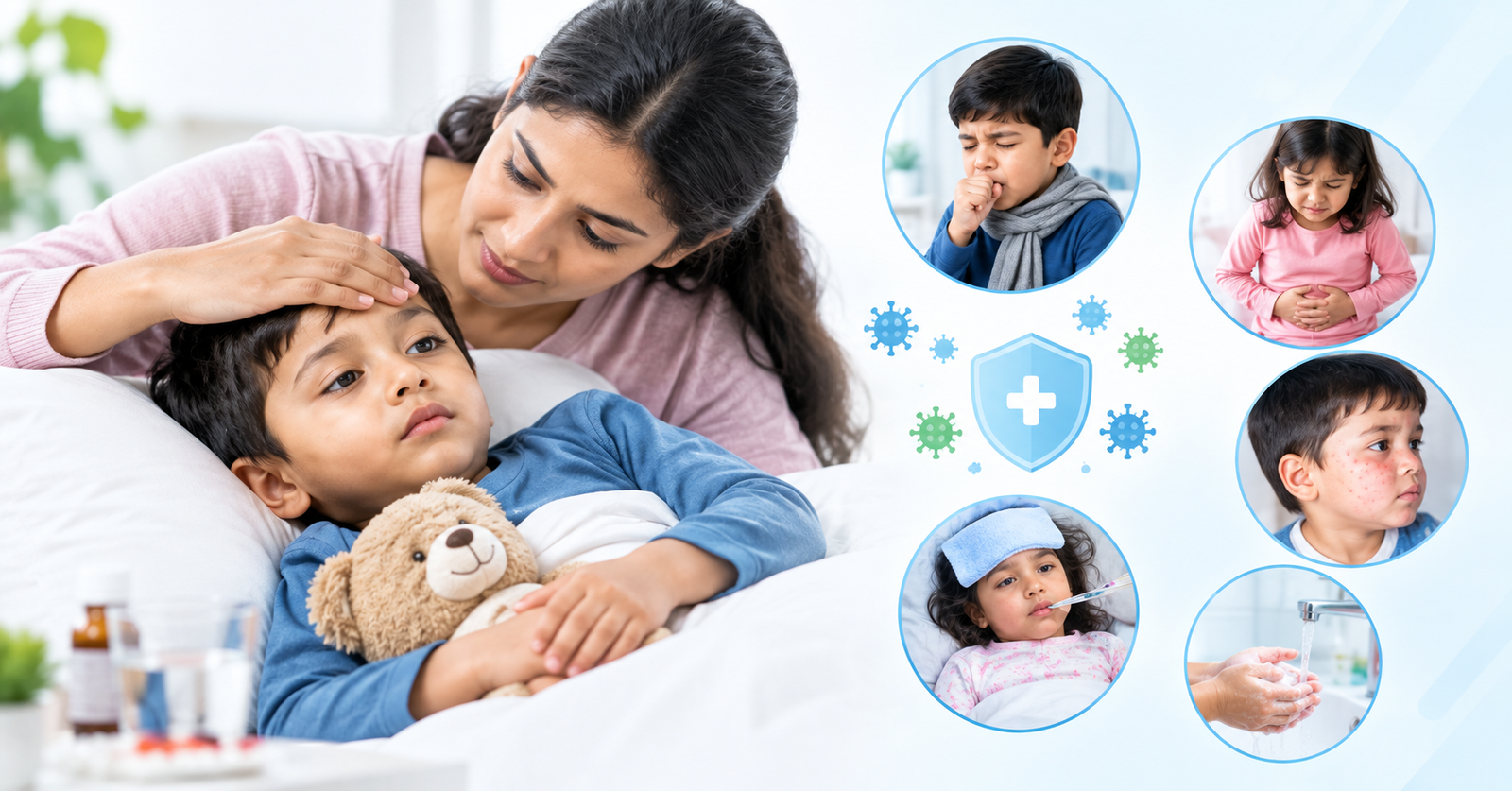
Children are more likely to develop infections because their immune systems are still developing. Common infections can affect their respiratory system, digestive system, skin, and ears. Recognizing the early symptoms and seeking timely medical advice can help parents manage these conditions effectively.
If you are looking for a pediatric hospital in Indore, understanding common childhood infections can help you make informed decisions about your child’s healthcare. City Nursing Home provides healthcare services in Indore to support patients and families with their medical needs.
Common Infections in Children
1. Respiratory Infections
Respiratory infections, such as the common cold, flu, and throat infections, are frequently seen in children. Symptoms may include a runny nose, cough, fever, sore throat, and congestion. Adequate rest, fluids, and medical guidance can help manage these infections.
2. Stomach and Intestinal Infections
Gastrointestinal infections may cause diarrhea, vomiting, stomach pain, and fever. Children can become dehydrated quickly, so offering oral rehydration solution (ORS) as advised and monitoring fluid intake are important.
3. Ear Infections
Ear infections can develop after a cold or respiratory infection. Children may experience ear pain, fever, irritability, or difficulty sleeping. A doctor can assess the condition and recommend appropriate treatment.
4. Skin Infections
Bacterial and fungal infections may cause redness, itching, rashes, or swelling. Keeping the skin clean and avoiding the sharing of personal items can help reduce the risk of certain infections.
5. Urinary Tract Infections (UTIs)
UTIs in children may cause pain during urination, frequent urination, fever, or abdominal discomfort. Prompt medical evaluation is important to prevent complications.
Common Symptoms Parents Should Watch For
Parents should seek medical advice if their child experiences:
- Persistent or high fever
- Repeated vomiting or diarrhea
- Reduced appetite or unusual tiredness
- Ear pain or persistent cough
- Pain during urination
- Signs of dehydration, such as reduced urination or a dry mouth
Seek urgent medical attention if your child has difficulty breathing, is unusually difficult to wake, has a seizure, or shows signs of severe dehydration.
How to Prevent Common Childhood Infections
Parents can reduce the risk of infections by following these preventive measures:
- Encourage regular handwashing with soap and water.
- Keep your child’s vaccinations up to date.
- Provide a balanced diet and sufficient fluids.
- Maintain clean surroundings and good personal hygiene.
- Teach children to cover their mouth and nose when coughing or sneezing.
- Avoid sending children to school when they are unwell or contagious.
Treatment Options for Childhood Infections
Treatment depends on the type and severity of the infection. Many viral infections improve with rest, fluids, and symptom management. Bacterial infections may require antibiotics prescribed by a qualified doctor. Antibiotics should not be used without medical advice, and medicines intended for adults should not be given to children without professional guidance.
Parents searching for a pediatric hospital in Indore should look for appropriate medical evaluation, timely diagnosis, and guidance on managing their child’s symptoms safely.
When Should You Consult a Doctor?
Consult a doctor if your child’s symptoms persist, worsen, or interfere with eating, drinking, sleeping, or daily activities. Infants younger than three months with a temperature of 38°C (100.4°F) or higher need immediate medical assessment.
For parents seeking healthcare guidance in Indore, City Nursing Home can be considered when exploring local medical care options. Always consult a qualified healthcare professional for diagnosis and treatment tailored to your child’s needs.
Childhood infections are common, but early recognition, good hygiene, vaccination, and appropriate medical care can help protect children’s health. Understanding the symptoms and knowing when to seek medical attention can make a meaningful difference in your child’s recovery.
If you are searching for a pediatric hospital in Indore, prioritize timely medical attention and professional guidance to support your child’s health and well-being.