
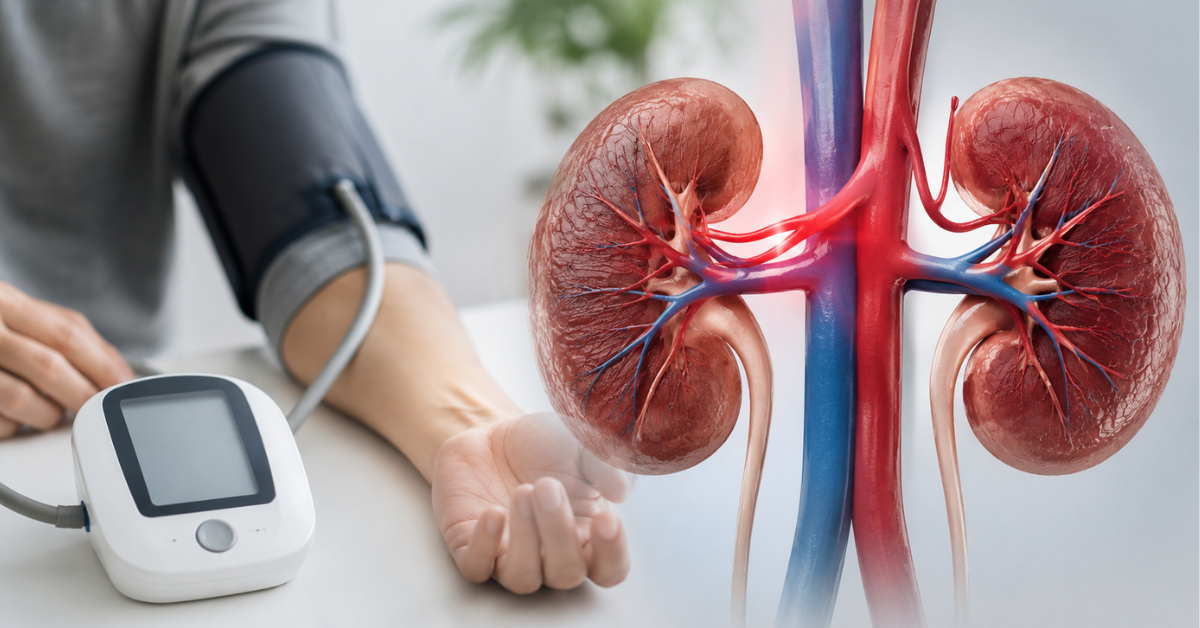
High blood pressure (or hypertension) is not just bad for the heart. It can also damage the kidneys. Because kidney damage can occur without obvious symptoms, regular monitoring is important for people with high blood pressure.
How High Blood Pressure Damages Kidneys
The kidneys have millions of tiny blood vessels and filters that cleanse the blood. If blood pressure stays too high, it can damage these delicate vessels. Uncontrolled high blood pressure can damage your kidneys over time. Kidney problems also can make it hard to control blood pressure.
Why Kidney Damage Goes Unnoticed
Early kidney damage frequently has few or no obvious symptoms. The kidneys may begin to fail and the person may still feel well. Routine blood pressure checks, urine tests and blood tests can pick up changes earlier.
Signs You Might Need Medical Attention
Some people with worsening kidney problems can develop swelling in the feet, ankles, hands or around the eyes, changes in urination, unusually foamy urine, tiredness, nausea or reduced appetite. Many things can cause these symptoms, and they don’t automatically mean you have kidney disease.
How Doctors Keep Tabs On kidney Health
Doctors use various checks to assess kidney health. A blood test can measure the level of creatinine in your blood and estimate how well your kidneys are filtering blood. A urine test can detect protein, or albumin, which may be a sign of kidney damage. If needed, doctors may order additional tests to find out what the problem is.
How To Safeguard Your Kidneys
A great way to keep your kidneys healthy is to keep your blood pressure under control. Take prescribed medicines as directed and do not stop them without consulting a doctor. A well-rounded diet, limited excess salt, physical activity, a healthy weight, no tobacco, and limited alcohol may also support kidney health.
If you have high blood pressure or abnormal kidney test results, talk to a qualified healthcare professional about your monitoring and treatment plan. When there is a need for specialist kidney evaluation, a nephrology hospital in indore can be considered.
FAQs
1. How is high blood pressure connected with chronic kidney disease?
Yes. If not controlled, high blood pressure can damage the blood vessels in the kidneys and increase the risk of chronic kidney disease.
2. Is kidney damage reversible?
Depending on the cause and stage. Early treatment may help to slow down further loss of kidney function.
3. How frequently should kidney tests be done?
Each person has a different schedule. Based on your blood pressure, diabetes risk, medicines, and past results, your doctor may suggest testing.
4. Foamy urine doesn’t always mean you have kidney disease?
No, foamy urine can be caused by several factors. Any persistent change should be evaluated by a health care provider.
5. What blood pressure is bad for the kidneys?
Repeatedly having high blood pressure increases your risk of kidney problems. Your doctor can help you set a blood pressure goal that’s right for you.