
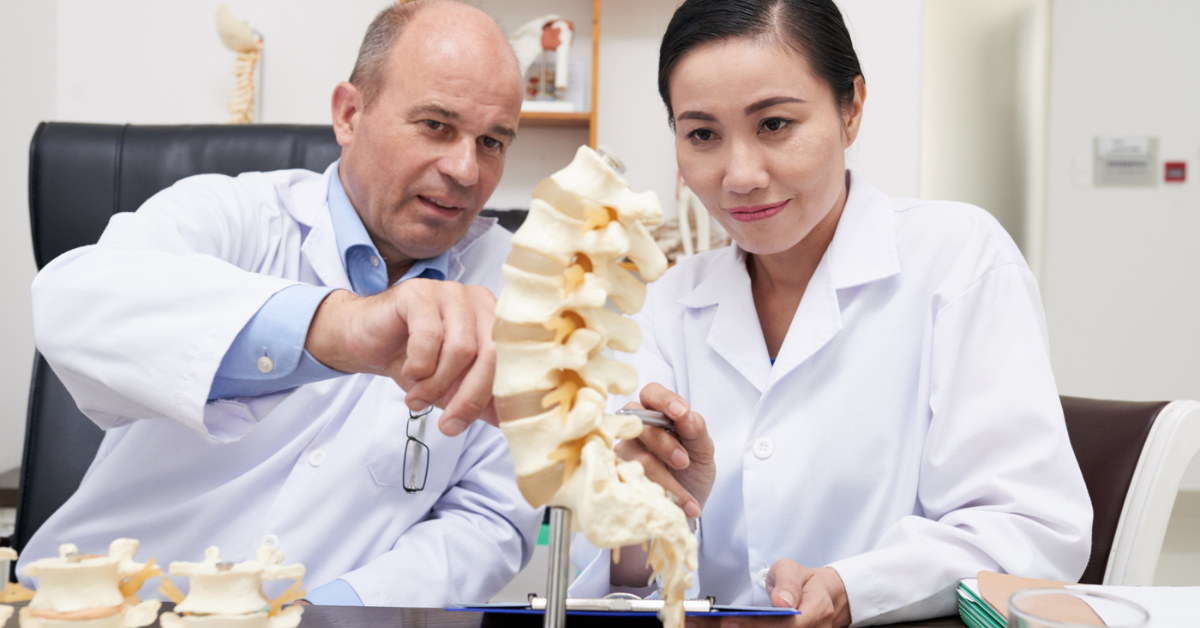
Strong bones and healthy joints are essential for everyday activities, from walking and climbing stairs to working and exercising. However, injuries, aging, and certain medical conditions can affect movement and comfort over time. Understanding the early signs of bone and joint problems and seeking timely medical care can help protect mobility, reduce discomfort, and support a better quality of life.
Common Orthopedic Problems That Need Medical Attention
Orthopedic conditions affect the bones, joints, muscles, ligaments, and tendons. While some problems develop gradually, others occur suddenly due to accidents or physical activity.
Fractures are among the most common orthopedic injuries and require proper diagnosis and treatment to heal correctly. Arthritis is another widespread condition that causes joint pain, stiffness, and reduced flexibility, especially in older adults.
Sports injuries, including ligament sprains, tendon injuries, and muscle strains, are also common among active individuals. In addition, persistent back pain, shoulder discomfort, neck pain, and knee problems may result from poor posture, repetitive movements, or underlying musculoskeletal disorders. Ignoring these symptoms may increase the risk of long-term complications and reduced mobility.
Benefits Of Early Orthopedic Care
Early orthopedic care helps identify the root cause of pain before the condition becomes more serious. A timely medical evaluation allows healthcare professionals to recommend appropriate treatment based on the patient’s symptoms, lifestyle, and overall health.
Prompt treatment may help reduce pain, improve joint function, and support faster recovery after injuries. It can also lower the risk of further damage, especially in cases involving fractures, ligament injuries, or progressive arthritis care. Early intervention often makes it easier for patients to return to daily activities while maintaining better bone and joint health.
Modern Approaches Used In Orthopedic Treatment
Orthopedic care has advanced significantly with modern diagnostic tools and patient-focused treatment options. Imaging techniques such as X-rays, MRI scans, and CT scans help orthopedic specialists accurately diagnose various bone and joint conditions.
Depending on the diagnosis, treatment may include medications, physiotherapy, rehabilitation programs, lifestyle modifications, or minimally invasive procedures. At an Orthopedics Hospital in Indore, personalized treatment plans are designed according to each patient’s age, activity level, and medical condition. Rehabilitation and guided exercises also play an important role in restoring strength, flexibility, and overall mobility after injury or surgery.
FAQs
When should I visit an orthopedic doctor?
You should seek medical advice if you experience persistent joint pain, swelling, limited movement, repeated injuries, numbness, or pain that interferes with daily activities.
What conditions are treated by orthopedic specialists?
Orthopedic specialists diagnose and manage fractures, arthritis, ligament injuries, sports injuries, tendon disorders, spine-related conditions, joint stiffness, muscle injuries, and several other musculoskeletal disorders affecting movement and physical function.
Can joint pain be treated without surgery?
Yes. Many cases of joint pain improve with non-surgical treatments such as medication, physiotherapy, weight management, activity modification, rehabilitation, and targeted exercises.
How long does orthopedic recovery usually take?
Recovery time varies depending on the type of injury, treatment method, overall health, and patient commitment to rehabilitation.