
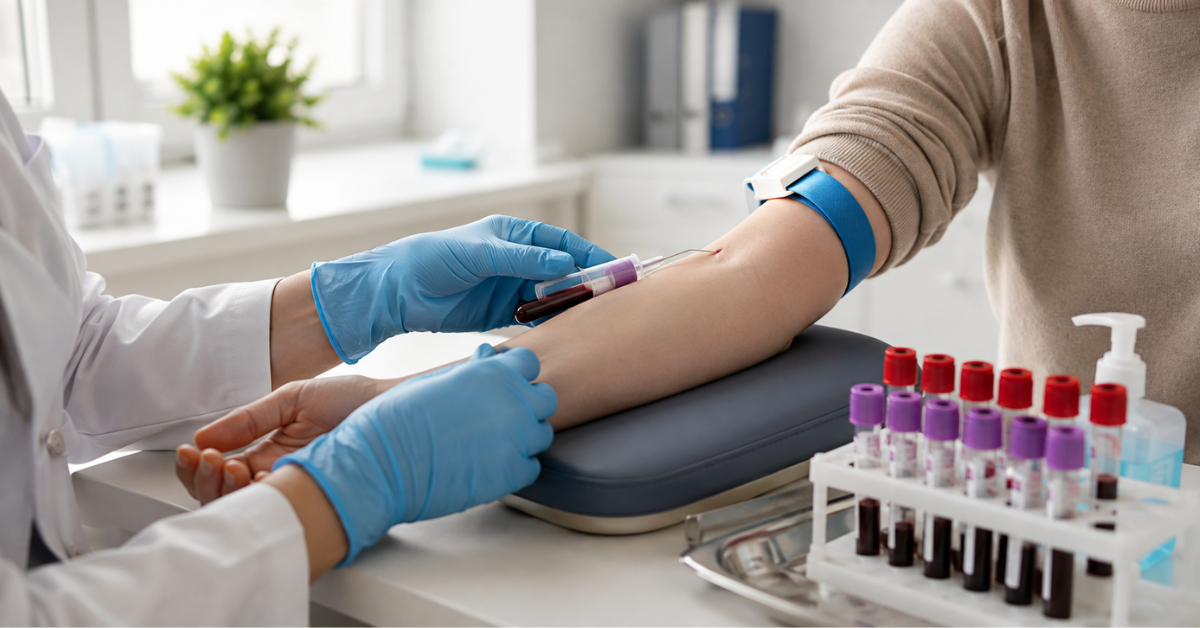
Blood tests are a big part of knowing your overall health. They help doctors monitor blood sugar, cholesterol, hormone levels, blood cell counts, organ function and signs of infection. Proper preparation can make results more reliable, but what kind of preparation depends on the type of test. Always follow the instructions of your doctor or testing facility.
The Importance Of Proper Preparation For A Blood Test
Some blood test results can be affected by certain foods, drinks, medicines, physical activity and even the time of day. The recommended preparations are intended to minimize factors that might influence the readings. This is especially true for tests that require fasting or specific timing requirements.
Do You Have To Fast Before Blood Tests?
You don’t need to fast for all blood tests. Some tests may require you to fast for a specific period, while others do not require fasting. Your healthcare provider will usually tell you how long you should avoid food if you need to fast.
Usually, you may need to avoid eating for about 8 to 12 hours, but the length of time can depend on the test. Do not extend your fast beyond the indicated period unless your healthcare professional advises you to do so.
You may eat and drink as normal before tests that do not require fasting.
If you are required to fast, plain water is often permitted and may help keep you hydrated. But don’t drink tea, coffee, juice, soft drinks or other beverages unless your provider says it is okay.
If your test does not require fasting, eat your normal meals unless you have been told otherwise.
Medicines And Supplements Before Blood Tests
Tell your doctor or testing professional about all the prescription drugs, over-the-counter medicines, vitamins and supplements that you take. Some can influence test results.
Do not stop taking prescribed medicine just because you are having a blood test. Only change or skip a medicine if your healthcare professional tells you to do so.
What Not To Do Before A Blood Test
Depending on the test, it may help to avoid:
- Heavy exercise, which may temporarily change some blood markers.
- Alcohol, as it may affect certain test results.
- Smoking, especially when specific preparation instructions are provided.
- Eating or drinking restricted items during a fasting period.
What To Do On Test Day
Be prompt and follow the instructions given to you. If possible, stay calm and drink water if it is allowed. If you accidentally eat or drink during a required fasting period, inform the testing staff before sample collection. They can tell you whether the test should be postponed or performed as planned.
When To Ask Your Doctor For Specific Instructions
Preparation will vary depending on the type of test, medications and individual health needs. A good pathology lab in indore can also provide clear instructions for your scheduled test and help ensure that the sample is collected according to recommended procedures.
FAQs
1. Is it ok to drink water before a blood test?
Plain water is usually allowed during fasting, but please check the specific instructions for your test.
2. Can I exercise before my blood draw?
Some results may be affected by heavy exercise. It’s best to ask if you should avoid strenuous activity before your test.
3. What if I eat before a fasting test?
Tell the healthcare professional or testing staff. ” They can tell you if you can still perform the test properly.
4. Should I stop my medicines before I am tested?
No. Do not stop taking prescription medicines unless your doctor specifically tells you to.
5. Does smoking affect blood test results?
Smoking can affect some measurements. Follow any directions about not smoking before your test.